
Transform Your Daily Routine
When you lose weight, everything changes—from morning energy to evening wind-down. Discover how expert trainers redesign routines for lasting lifestyle transformation.
Energy & Morning Habits
Wake earlier, move easier, exercise becomes natural—not a chore.
Meal Planning & Nutrition
Structured eating patterns replace impulse choices. Mealtimes become intentional moments.
Sleep Quality & Recovery
Lighter body weight means deeper sleep, faster recovery, and sharper focus.
Social & Lifestyle Shifts
Confidence grows, activity levels rise, outdoor activities feel accessible again.

The 5-Step Morning Transformation
Expert trainers reveal exactly how routines shift from day one through sustained weight loss.
Earlier Wake Times
As weight decreases, your body naturally requires less recovery time. Trainers report clients waking 30–60 minutes earlier without alarms, driven by increased morning energy. This creates a window for stretching, hydration, or meditation—habits that anchor the entire day.
Movement Becomes Natural
Lower body weight removes joint strain. Simple tasks—stairs, walking to work, playing with children—transition from painful effort to joyful motion. Trainers integrate this by shifting from "exercise sessions" to "active living" as the primary routine framework.
Structured Eating Windows
Random snacking gives way to intentional meal timing. Clients stop eating from boredom and instead eat when physiologically hungry. This creates psychological freedom—food becomes fuel, not comfort. Breakfast, lunch, dinner, and perhaps one planned snack replace constant grazing.
Evening Wind-Down Shifts
Late-night eating habits dissolve as internal body rhythms stabilise. Clients replace evening snacking with calming rituals—stretching, reading, or walking. Sleep arrives faster and deeper, closing a positive feedback loop where better rest strengthens the next day's choices.
Social & Recreational Expansion
New confidence opens doors. Hiking, dancing, sport leagues, and social outings that felt impossible become routine. Trainers encourage clients to anchor their new identity around these activities, embedding active living into social life itself.
Expert Trainer Tips by Lifestyle Area
Real strategies from Transformationflowcoach's training team on redesigning routines.
Morning Energy
Set a consistent wake time 30 minutes earlier than before. Start with light stretching or a short walk before breakfast. This primes your nervous system and establishes a powerful anchor for the day.
Why it works: Early morning light exposure resets your circadian rhythm, naturally boosting afternoon energy.
Meal Preparation
Dedicate one hour weekly to prepare proteins and vegetables. Store in clear containers so healthy options are visible and convenient. Pair each meal with a glass of water before eating.
Why it works: Visible healthy food reduces decision fatigue and removes barriers to making intentional choices.
Sleep Optimisation
Dim lights two hours before bed. Stop eating three hours before sleep. Create a bedtime wind-down routine: stretching, journaling, or audiobook listening replaces screen time.
Why it works: Deep sleep triggers metabolic recovery and reinforces your body's new weight-regulation set point.
Daily Movement
Aim for 30 minutes of moderate activity—brisk walking counts fully. Break it into three 10-minute segments if needed. Schedule it like an appointment, ideally at the same time each day.
Why it works: Consistent movement preserves muscle, stabilises metabolism, and creates powerful routine anchors.
Social Engagement
Replace passive social events (sitting at restaurants) with active ones (walking groups, sports leagues). Inform your social circle about your routine changes—accountability strengthens commitment.
Why it works: Community support anchors new habits and creates positive peer pressure that sustains long-term change.
Habit Tracking
Use a simple checklist to track three core habits daily: morning movement, structured eating, and sleep time. A simple paper chart or app works—visibility creates motivation.
Why it works: Progress tracking activates the reward centre of your brain, reinforcing new neural pathways.
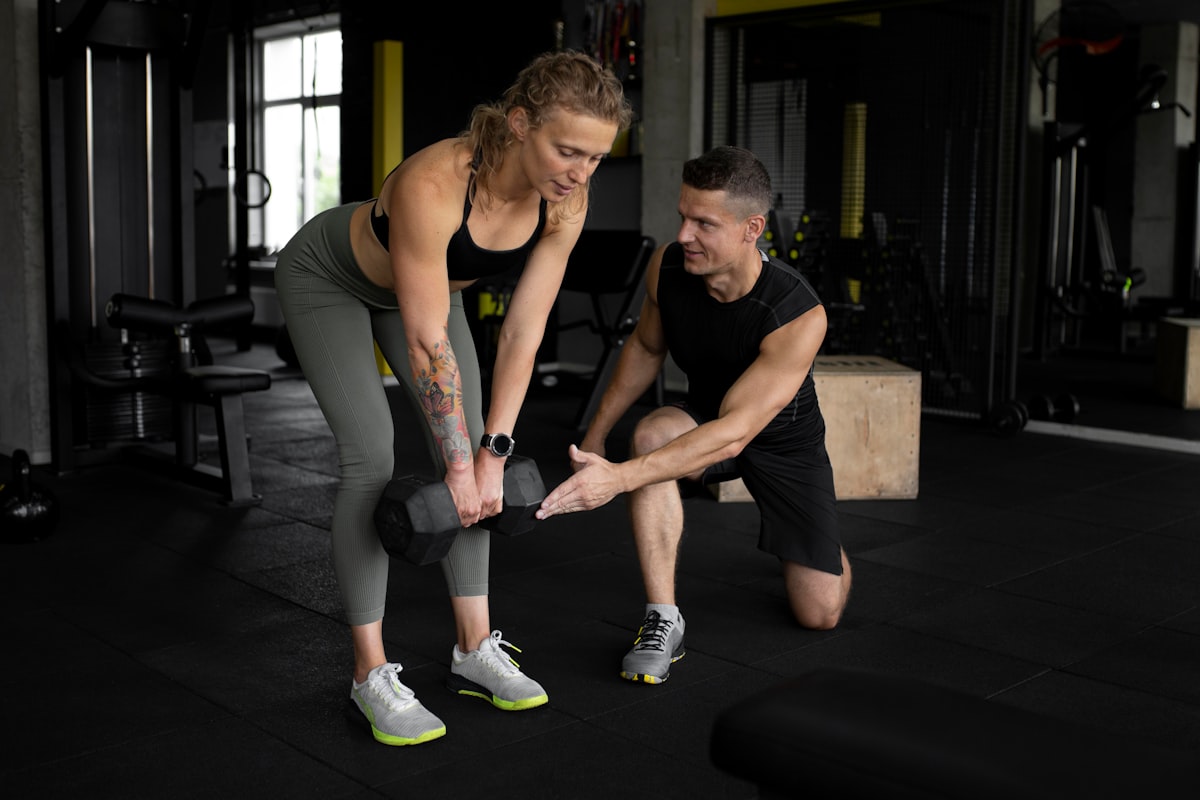
How Your Body & Mind Adapt
Weight loss reshapes more than appearance. As kilograms drop, your nervous system recalibrates. Joints feel less strained. Digestion stabilises. Mood improves as inflammation decreases and energy hormones rise.
Expert trainers at Transformationflowcoach emphasise that routine changes are not temporary restrictions—they're evolutionary shifts. Your body naturally gravitates toward the activities that once felt impossible. An afternoon walk becomes your reset button. A planned breakfast becomes non-negotiable self-care.
This is why habits stick: they're no longer forced changes imposed from outside. They become the path of least resistance, the new normal that your body and mind demand.
Before & After: Daily Routine Comparison
See how a typical day transforms when weight loss takes hold.
Before: Old Routine
6:45 AM
Hit snooze 3 times. Rushed shower. Skip breakfast or grab something quick.
9:00 AM–12:00 PM
Energy crashes by 10:30. Multiple coffee breaks. Snacking at desk from boredom or stress.
12:30 PM
Heavy lunch, often takeaway. Afternoon slump is severe. Hard to focus.
3:00–5:00 PM
More snacking. Vending machine visits. Fatigue makes walking to car feel like a chore.
6:00 PM–10:00 PM
Large dinner. Evening snacking while watching TV. Difficulty falling asleep despite exhaustion.
11:00 PM
Finally sleep after 30+ minutes awake. Restless throughout night.
After: Transformed Routine
6:00 AM
Wake naturally without alarm. Light stretching. Hydrate. Prepare intention for day.
6:30 AM
15–20 minute walk or home movement session. Energising and meditative.
7:00 AM
Structured breakfast: protein + whole grains + vegetables. Calm, intentional start.
9:00 AM–12:00 PM
Sustained energy. No crash. Snacking replaced with water and scheduled lunch anticipation.
12:30 PM
Planned lunch (often prepared in advance). Energising, not heavy. Afternoon productivity remains high.
3:00–5:00 PM
Optional light snack (if needed). Energy stable. Walking or activity feels normal, even enjoyable.
6:00 PM–9:00 PM
Dinner with family or friends. Moderate portions, no "overeating guilt." Evening activity: walk, light movement, or hobby.
9:30 PM
Wind-down ritual (reading, stretching, journaling). Sleep arrives naturally within 15 minutes.
10:00 PM
Deep, restorative sleep. Wake refreshed. Cycle repeats with ease.
Frequently Asked Questions
Real questions from people redesigning their daily routines.
How long does it take to build a new routine?
Research suggests 21–66 days for a habit to feel automatic, depending on complexity. Simple habits like morning water drinking anchor within 2–3 weeks. Larger routine shifts (exercise + meal prep + sleep changes) take 8–12 weeks to feel stable. Consistency matters far more than perfection.
Will I crave my old eating patterns forever?
No. Food cravings are often driven by habit, not true hunger. After 6–8 weeks of structured eating, your taste preferences often shift naturally. Sugar and ultra-processed foods become less appealing as your body recalibrates its reward system. New foods replace old patterns as your routine becomes truly automatic.
What if my schedule is chaotic or irregular?
Anchor one non-negotiable habit instead of many. If your wake time varies, prioritise structured breakfast. If mornings are flexible, lock in an evening wind-down routine. One solid anchor habit creates momentum for others. Consistency beats perfection; even 70% adherence to one core routine yields measurable benefits.
How do I maintain new routines if I travel or face disruptions?
Separate core habits from flexible ones. Core: 30 minutes movement and structured meals, even if scaled down. Flexible: specific location, exact timing, or particular activities. This "minimum viable routine" keeps momentum during travel or stressful periods. Once disruption passes, quickly return to full routine—muscle memory typically activates within days.
Do I need a trainer to redesign my routine?
You can start alone with the steps in this guide. However, many people succeed faster with external accountability—a trainer, friend, or community group identifies blind spots and adjusts approaches when progress stalls. At Transformationflowcoach, our team specialises in personalising routines to your life, which accelerates results significantly.
What happens if I slip back into old routines?
One missed day or one bad meal doesn't erase progress. Your body and mind remember new pathways for weeks. The key is returning quickly—within 24 hours ideally. Restarting is far easier than starting from zero because your neurology retains the habit template. Treat lapses as data ("What triggered this?") rather than failures.
Real Transformations: Routine Changes in Action
Hear directly from people who redesigned their daily lives through weight loss and routine restructuring.
"My whole morning changed within four weeks. I used to sleep until 7:30 and feel rushed. Now I naturally wake at 6:00, do 20 minutes of movement, and breakfast is calm instead of frantic. That single shift made me feel in control of my entire day. My weight loss happened, but the routine redesign was the real prize."
Sarah Mitchell, Liverpool
"The evening wind-down routine completely transformed my sleep. I stopped snacking at 10 PM and started stretching instead. Within six weeks, I was sleeping like I did as a teenager. The sleep improvements actually made weight loss feel easier—no more late-night cravings driven by fatigue. One routine fix cascaded into everything."
James Chen, Manchester
"I thought I'd have to 'willpower' my way through weight loss. Instead, my trainer helped me redesign my day so that healthy choices became the path of least resistance. Meal prep on Sunday, walks at lunchtime, structured eating windows—these weren't restrictions. They freed up mental energy. The weight loss was almost a side effect of having a better routine."
Emma Thompson, Bristol
"What struck me most was learning that my 'lack of discipline' wasn't a character flaw—it was poor system design. Once we restructured how I worked, when I took breaks, and how I planned my week, productivity soared. I'm doing more meaningful work in fewer hours. The flow state became the default, not the exception."
James Chen, Manchester
"I came in skeptical about coaching. But this isn't about motivation pep talks. It's practical architecture for your life. My partner noticed the difference before I did—less stress, more presence, better energy. That's when I knew something real had shifted."
Sophie Martinez, London
Frequently Asked Questions
Get clarity on how transformation flow coaching works.
How long before I see results?
Most clients notice shifts within 2-3 weeks: better energy, clearer focus, reduced decision fatigue. Meaningful transformation (habit solidification, measurable progress) typically shows within 8-12 weeks. We track progress through both quantitative metrics and qualitative feedback.
What if I've failed at change before?
Past failures aren't character flaws—they're feedback about system design. We don't try harder; we design smarter. Your previous attempts teach us what won't work, so we build on that intelligence rather than repeat the pattern.
Is this only for busy professionals?
No. We work with parents, students, entrepreneurs, retirees, and everyone in between. The principle is universal: design your environment and routines to make the desired behavior the path of least resistance. The specifics vary; the approach scales.
What's included in a coaching program?
Initial assessment, personalized flow design, weekly accountability calls, monthly progress reviews, system refinements, and direct access to your coach. We provide frameworks, templates, and real-time support—everything you need to embed change.
How is this different from general life coaching?
We focus on systems, not willpower. Rather than coaching you through motivation, we engineer your day so motivation becomes irrelevant. This is architecture-first, mindset-second—practical, measurable, and sustainable.
Ready to Redesign Your Life?
Stop fighting yourself. Start designing systems that work with your nature, not against it. Your breakthrough is one conversation away.
Free consultation. No obligation. Your transformation starts here.